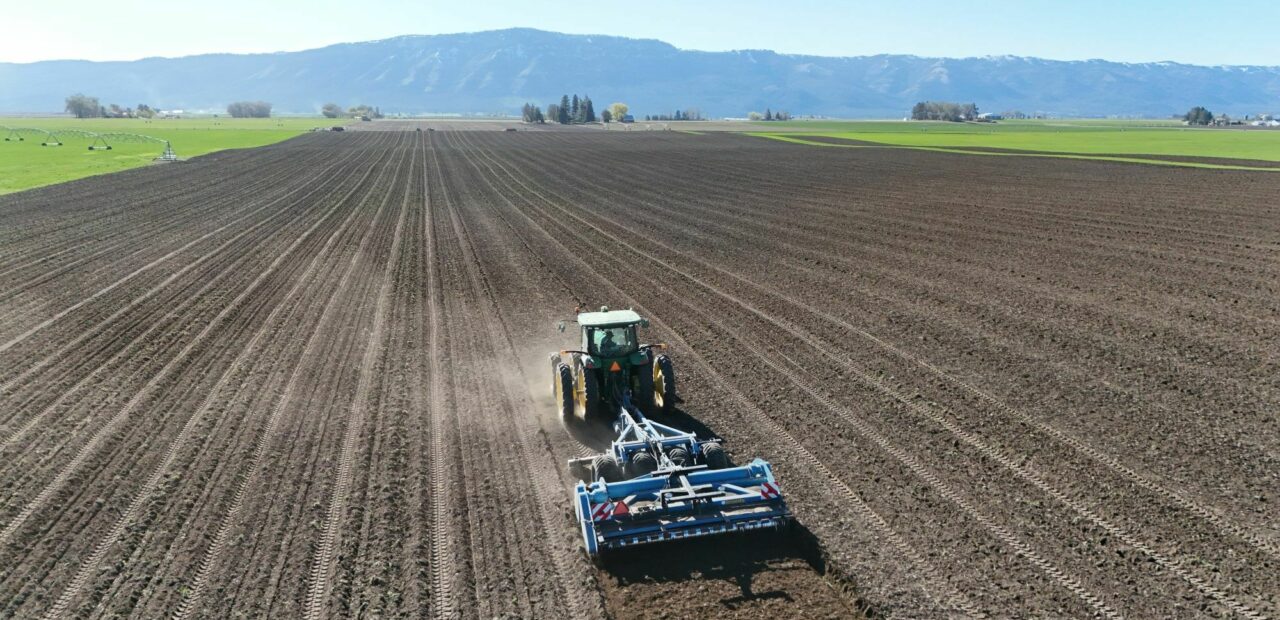
For us, successful farming all starts with healthy soil. Our farm team takes a comprehensive, sustainable approach to soil health and crop management that benefits the diversity of the many different crops we grow. We work to make sure our land remains productive and healthy for the next generation by combining time-tested techniques with modern innovation:
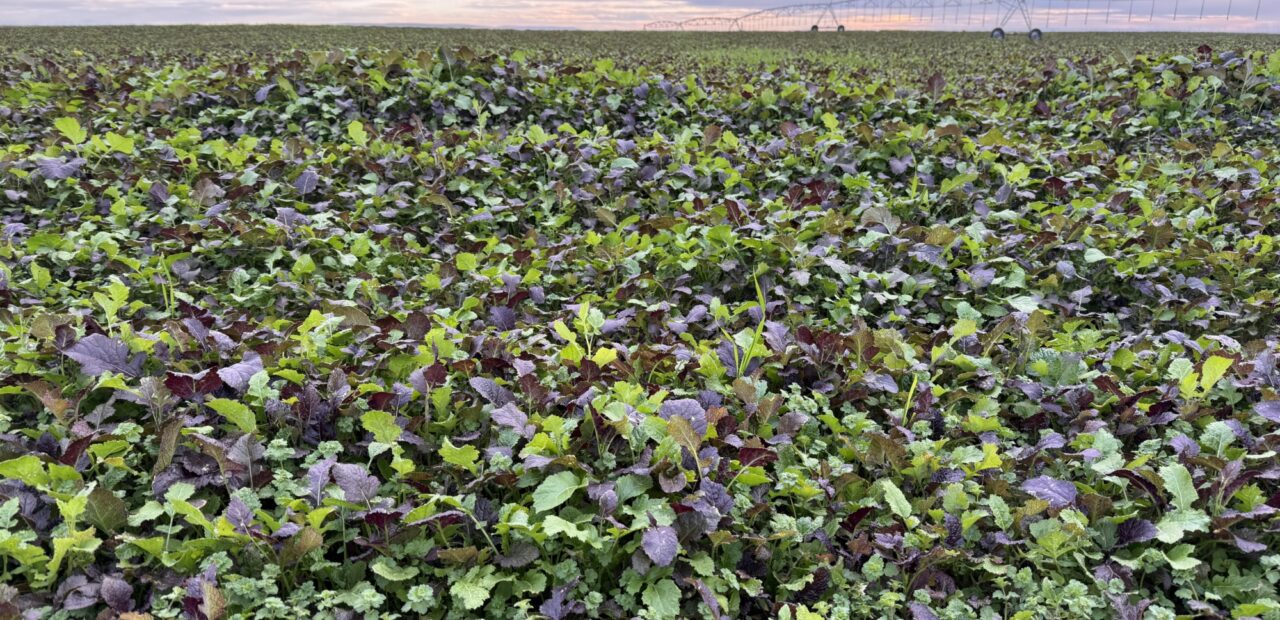
Cover Crops: Building Healthier Soil
Cover crops are generally considered noncommercial crops grown for reasons other than as a cash commodity. Nonetheless, they have tremendous value in protecting and improving our soil. We grow a variety of cover crops, each selected for specific environmental benefits like:
• Suppressing pests and diseases
• Enhancing soil structure and fertility
• Reducing wind and water erosion
Crops like mustard are tilled back into the soil to enhance organic matter, while others, such as triticale, are harvested and used as high-quality forage for our dairy cows. All of our annual crops get a cover crop, which is over 75% of our acres, and these crops enrich our soil while supporting other parts of our farming ecosystem.
Crop Rotation: Restoring and Replenishing
We rotate crops at a standard rotation of three years so that the soil can replenish nutrients used differently by each crop. For example, one field might grow potatoes one year, wheat another year, corn the third year, and alfalfa the fourth. This type of rotational cycle results in healthier soils, better crop quality, and fewer problems with disease.
Our commitment to rotating crops helps maintain long-term soil vitality along with providing environmental benefits:
• Breaks pest and disease cycles
• Helps maintain nutrient balance
• Reduces soil erosion
These benefits support strong crop growth and enhance the soil’s ability to naturally capture carbon:
Strip Tilling: Precision for Soil Conservation
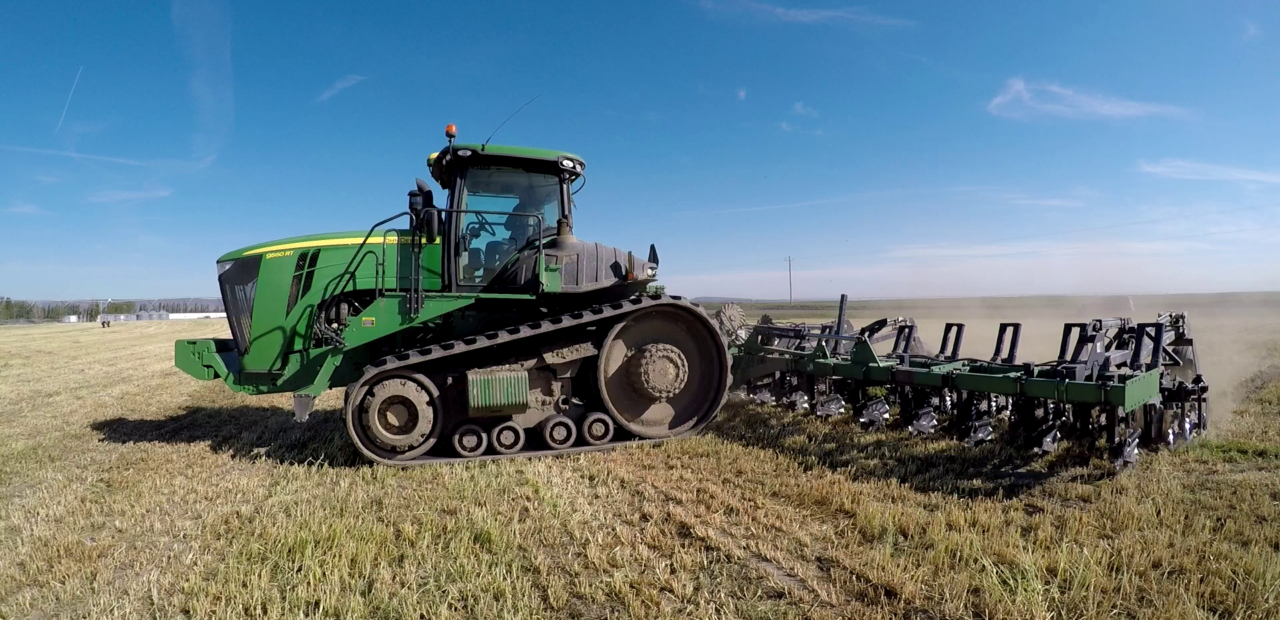
Strip tilling means tilling narrow strips of soil where seeds will be planted, leaving areas in between undisturbed and covered. We use this practice often and especially with our triticale and corn, and it is just one part of our commitment to conservation tillage. After harvesting triticale in the spring, we plant corn directly into the existing stubble using precision GPS-guided equipment. This method:
• Minimizes topsoil disturbance
• Reduces wind erosion
• Lowers fuel consumption
• Improves planting efficiency and yields
Strip tilling allows us to protect soil structure while maximizing productivity.
Organic Fertilization with Dairy Manure
Dairy manure is a natural, effective fertilizer that supports our soil health goals. As a closed-loop system, nutrients from our dairy cows are returned to the land, reducing the need for synthetic fertilizers and improving soil fertility in a sustainable way.
Integrated Pest Management (IPM): Smart & Sustainable
IPM is a smart and eco-friendly way to handle pests. Instead of relying on just one method, IPM combines various practical strategies. It uses up-to-date information about pest life cycles and their interactions with the environment to manage pest damage in the most cost-effective and environmentally positive way.
At Threemile, our commitment to land stewardship and preserving our environment means we go above and beyond the EPA's IPM standards to control pests and weeds while reducing the use of traditional crop protection products.
IPM isn't just one technique - it's a series of thoughtful steps. Farmers who understand the risk of pest infestations follow these four key steps:
1. Set Action Thresholds: Determine the point at which pest control is needed.
2. Monitor and Identify Pests: Keep an eye on pest activity and accurately identify them.
3. Prevention: Implement measures to prevent pests from becoming a problem.
4. Control: Use the most effective control methods when necessary.
Seed Farms and Traceability
Healthy crops are less susceptible to diseases and pests. And the best way to ensure healthy crops is to start with healthy seeds. That’s why we raise all our own seed for potatoes, cover crops, wheat, and sweet peas on our Seed Farm in La Grande, Oregon.
Since crop traceability – the concept of being able to follow the food you eat through the entire supply chain from farm to fork - is an important part of sustainable farming, we manage a database detailing seed for every field and every crop for an extra measure of accountability.